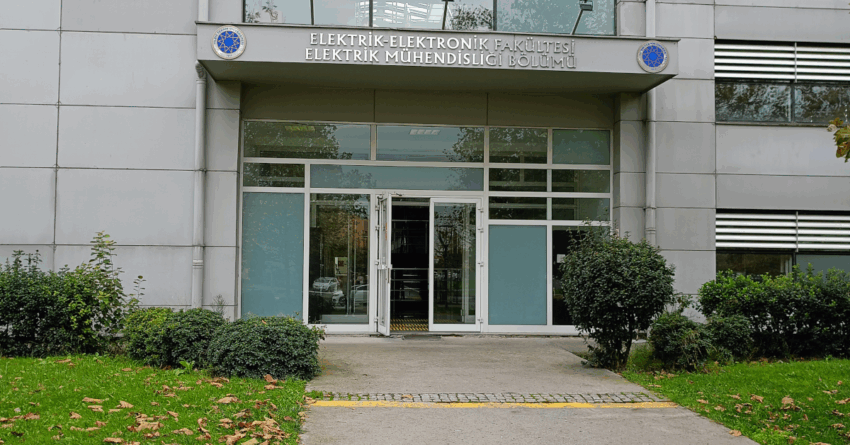
Between 15 November and 14 December 2023, I spent one month as a visiting researcher at Yildiz Technical University (YTU) in Istanbul, Turkey. The visit was made possible through the “Programme de Mobilité de Courte Durée à l’Étranger”, a competitive annual scheme run by Algeria’s Ministry of Higher Education and Scientific Research (MESRS) that sponsors doctoral researchers for short-term scientific stays abroad. Candidates are selected on the basis of their publications, a research plan, supervisor endorsement, and an invitation letter from a recognised foreign institution.
I reached out directly to Dr. Ramazan Ayaz of YTU’s Faculty of Electrical and Electronics Engineering to request an invitation, and the visit was formally hosted at the Renewable Energy Systems Laboratory under his supervision. While the lab’s primary focus (solar photovoltaics, wind energy, and energy systems) sits at some distance from my own research in biometrics and signal processing, the visit offered something more valuable than field overlap: exposure to a different research culture, academic exchange, and access to a network of researchers whose work intersects with biomedical engineering in productive ways.
The Renewable Energy Systems Laboratory
The host laboratory carries out experimental and applied research in renewable energy, with active setups including solar module testing systems for performance optimisation and small-scale wind turbine prototypes. Throughout my stay, Dr. Ayaz generously made time for regular research discussions, both on his lab’s ongoing work and on the possible intersections with my own research on AI and signal processing. Those conversations, while exploratory, touched on shared methodological ground: signal acquisition, noise handling, and the challenge of deploying intelligent systems under real-world constraints.
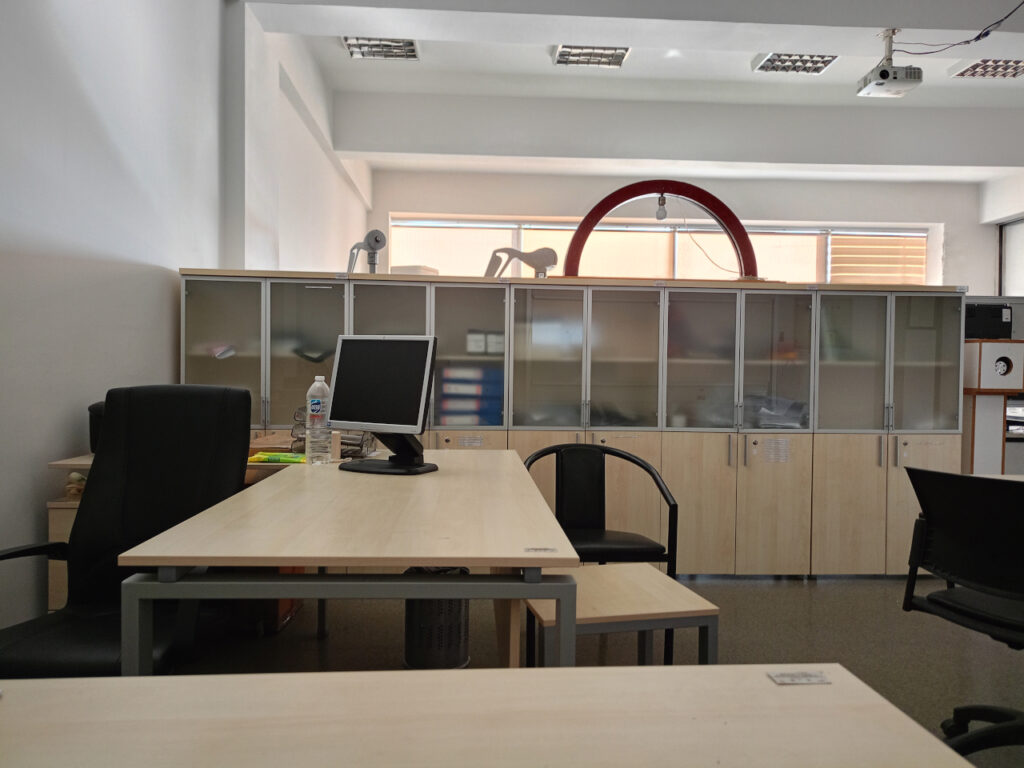
The lab also maintains close ties with industry partners, and observing how that relationship shapes the research agenda was instructive in its own right, a reminder that applied engineering research rarely exists in isolation from the systems it is designed to serve.
The Biomedical Laboratory
The most directly relevant stop during my visit was the Biomedical Laboratory, directed by Dr. İsmail Cantürk, whose research focuses on biomedical signal processing and artificial intelligence, ground that overlaps closely with my own. Dr. Cantürk welcomed me warmly and introduced me to the lab’s ongoing work and infrastructure. What began as an introductory visit developed into substantive discussions about shared research interests, and I am pleased to say the exchange led to a concrete collaboration that extended beyond the visit itself. I also had the pleasure of meeting Enas and Suhayb, members of the lab whose hospitality made the visit considerably more enjoyable.
The Physiological Control Laboratory
I also visited the Physiological Control Laboratory, where Ahmed Alhajyounis guided me through the lab’s research on physiological systems, control mechanisms, and biomedical instrumentation. Seeing how control theory is applied to the study of physiological processes, an area adjacent to but distinct from my own work on biometric signal classification, broadened my understanding of the wider landscape of applied biomedical research. The visit was both technically stimulating and a good example of how much can be gained from simply seeing how other groups approach related problems.
Istanbul
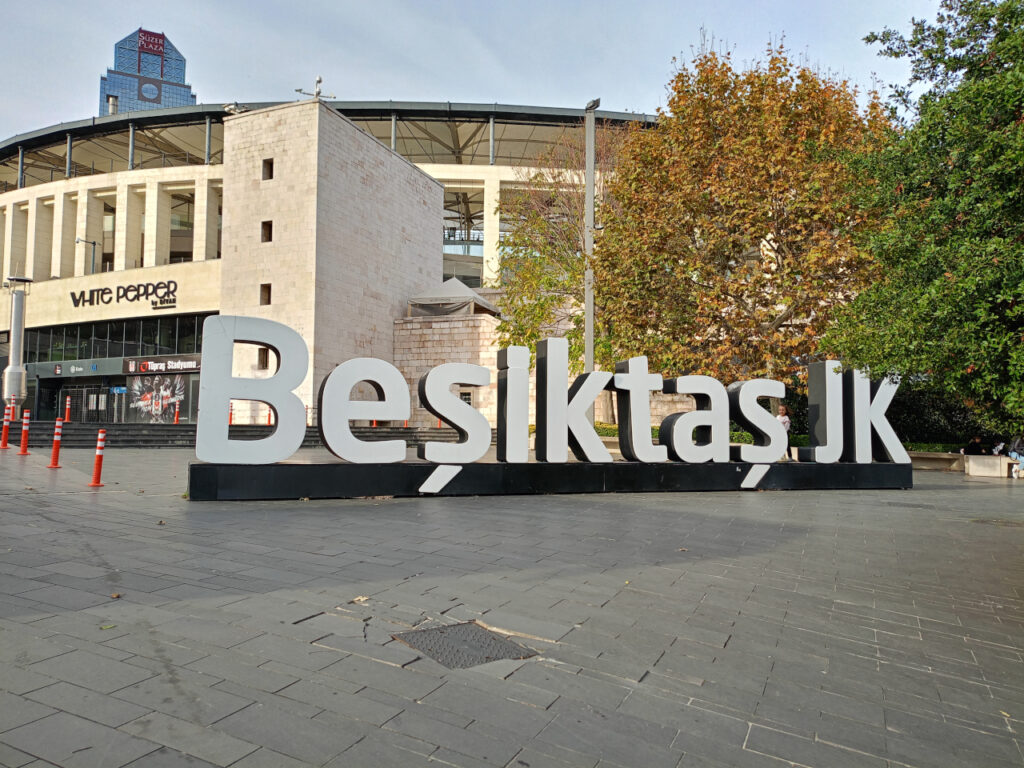
A month in Istanbul is not only a research experience. The city is genuinely extraordinary, historically layered, geographically dramatic, and alive in a way that few cities are. Between sessions in the lab, I had the chance to explore it properly, including a visit to the Beşiktaş Stadium. The warmth of colleagues inside YTU and the richness of the city outside it made this one of the more memorable months of my PhD.
Reflections
International research visits of this kind are valuable precisely because their value is not always immediate or narrowly defined. The month at YTU gave me regular intellectual exchange with researchers from different fields, exposure to how a well-connected engineering faculty operates, and through the Biomedical Laboratory, a collaboration that would not have happened any other way. For any doctoral researcher in Algeria considering applying to the MESRS short-term mobility programme: the process of obtaining an invitation letter, preparing a research plan, and making the most of a month abroad is well worth the effort.
Acknowledgments
My sincere thanks to Dr. Ramazan Ayaz for the invitation and his generosity throughout my stay. To Dr. İsmail Cantürk for welcoming me into the Biomedical Laboratory and for a collaboration that has proven fruitful. and to Ahmed Alhajyounis for his hospitality and the warmth with which he received me at YTU.